Psychedelic mushroom culture has undergone a remarkable transformation over the past few decades. Once confined to underground circles and countercultural movements, it has steadily moved into more visible and structured spaces. In the digital age, this shift has accelerated, reshaping how communities form, share knowledge, and define their identity.
From Secrecy to Shared Narratives
Historically, discussions around psychedelic mushrooms were limited due to legal restrictions and social stigma. Information was passed through close-knit communities, often in private settings. The internet changed that dynamic completely.
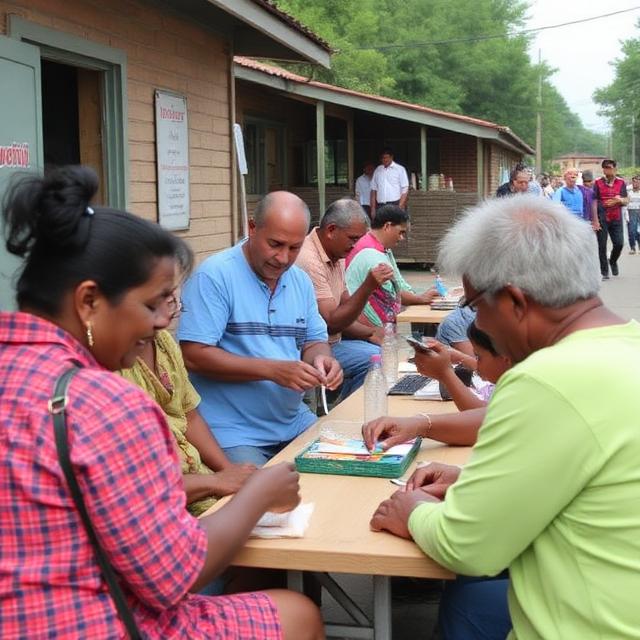
Online forums, anonymous platforms, and niche communities created spaces where individuals could openly share their experiences without fear of judgment. Personal stories, trip reports, and reflections began to form a collective archive of knowledge. This shift allowed people from different parts of the world to connect over shared curiosity and exploration.
What was once hidden became conversational.
The Rise of Digital Communities
The digital era has enabled the formation of highly engaged communities centered around psychedelic culture. These communities are not just about experiences but also about learning, safety, and integration.
Members discuss preparation techniques, mindset, and environmental factors that influence psychedelic experiences. The concept of “set and setting” has become widely understood due to these shared conversations. More importantly, digital communities have encouraged responsible engagement by promoting awareness and caution.
These platforms have also diversified the voices within the space. People from different backgrounds, professions, and cultures now contribute to the conversation, making it more inclusive and multifaceted.
Knowledge Accessibility and Democratization
One of the most significant impacts of the digital age is the accessibility of information. Research studies, historical context, and user experiences are now available at a scale that was unimaginable before.
This democratization has reduced misinformation while empowering individuals to make more informed decisions. Educational content has evolved from scattered anecdotes to structured discussions that combine science, psychology, and cultural perspectives.
At the same time, the abundance of information has created a need for discernment. Not all sources are reliable, and the responsibility to filter credible insights has shifted to the individual.
Influence on Creativity and Expression
Digital platforms have amplified the artistic side of psychedelic culture. Visual art, music, and design inspired by psychedelic experiences have found global audiences.
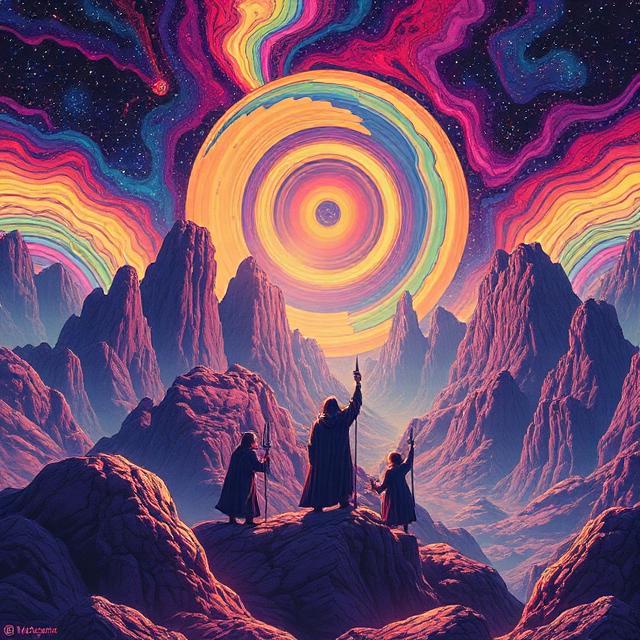
Artists use digital tools to recreate abstract visuals and emotional states often associated with these experiences. This has led to the emergence of a distinct aesthetic that blends traditional psychedelic elements with modern digital design.
Social media has further accelerated this trend by allowing creators to showcase their work instantly. As a result, psychedelic culture is no longer just experiential. It is also visual, expressive, and widely shared.
The Shift Toward Wellness and Self-Exploration
In recent years, the narrative around psychedelic mushrooms has shifted toward wellness and personal growth. Conversations are increasingly focused on mental clarity, emotional healing, and self-awareness.
The concept of microdosing has gained attention, especially among professionals and creatives looking to enhance focus and productivity. While this trend is still debated, it reflects a broader shift in how psychedelic culture is perceived.
Digital platforms have played a crucial role in normalizing these discussions. They have created spaces where individuals can explore these ideas without immediate dismissal, contributing to a more nuanced understanding.
Challenges in the Digital Landscape
Despite its benefits, the digital evolution of psychedelic culture comes with challenges. The rapid spread of information can sometimes lead to oversimplification or misinterpretation.
There is also the risk of commercialization overshadowing authenticity. As interest grows, businesses and influencers enter the space, often shaping narratives for visibility rather than accuracy.
Maintaining a balance between openness and responsibility remains a key concern. Communities must continue to prioritize education, safety, and ethical considerations to sustain credibility.
A Culture in Transition
Psychedelic mushroom culture today exists at the intersection of tradition and technology. It carries the depth of its historical roots while adapting to the speed and scale of the digital world.
The digital age has not only expanded access but also redefined the culture itself. It has turned isolated experiences into shared dialogues and transformed niche communities into global networks.
As this evolution continues, the focus will likely remain on responsible exploration, informed discussions, and meaningful connections. The culture is no longer hidden. It is evolving, adapting, and finding its place in a rapidly changing world.